
Podcast Transcription for SEO: How to Turn Episodes into Search Traffic
See how podcast transcripts help episodes rank, improve accessibility, and create reusable show notes, articles, and organic search traffic.
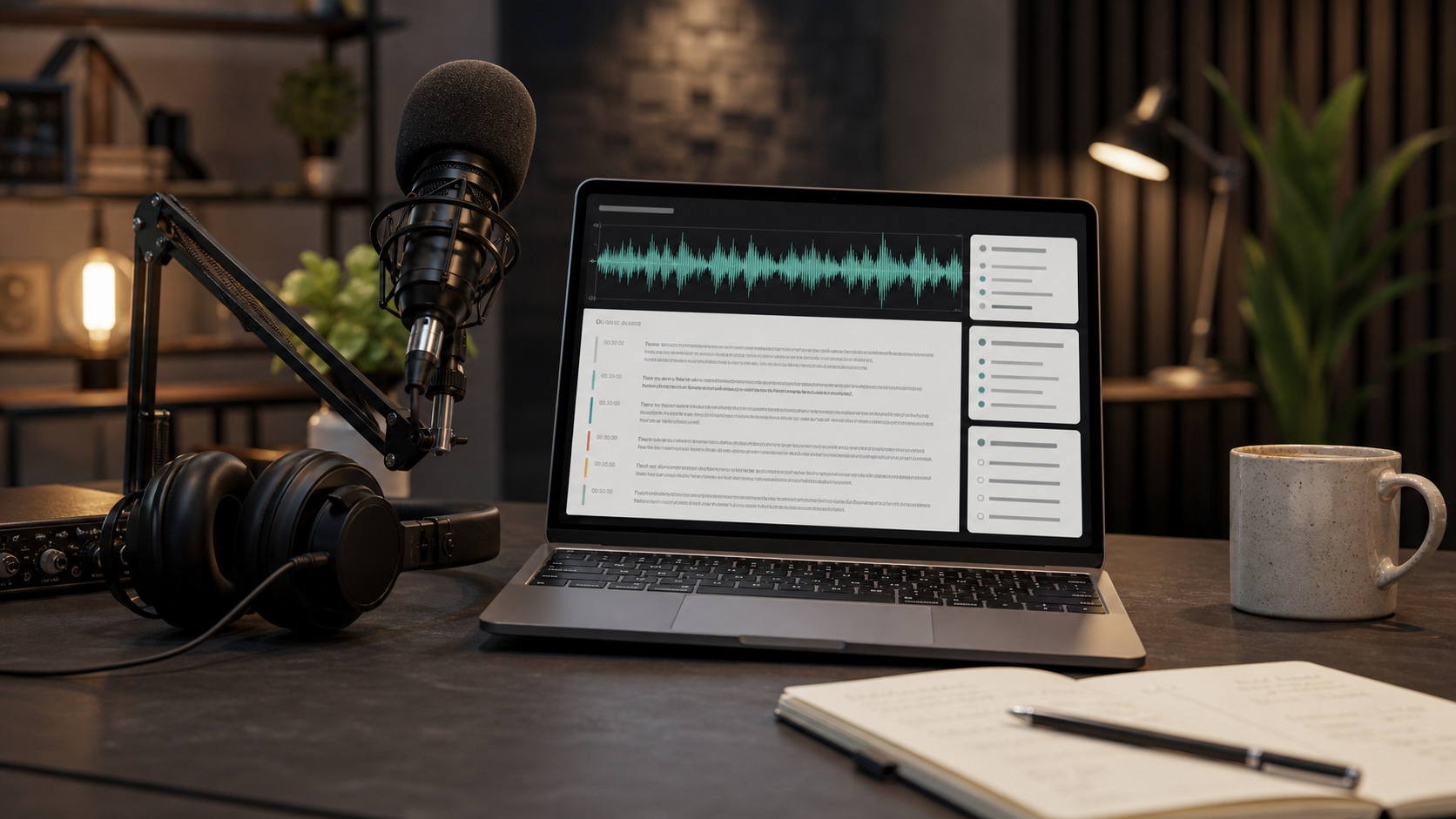
Podcast Transcription for SEO: How to Turn Episodes into Search Traffic
Publishing a podcast is only part of the distribution job. If an episode contains strong ideas but exists only as audio, search engines have very little text to understand, rank, or connect to relevant searches. That is why podcast transcription is one of the most practical SEO upgrades a creator or content team can make.
A transcript gives every episode a searchable text layer. Instead of relying on a short summary and a title alone, your site can include the full conversation, useful quotes, speaker context, and keyword-rich explanations that naturally appear during the episode itself. This improves discoverability while also making the content more accessible to people who prefer reading.
Why transcripts help podcast SEO
Search engines are much better at indexing structured text than spoken audio. A transcript turns a long-form conversation into crawlable content that can match a wider range of search queries. That includes questions your host answers in detail, terms a guest explains, and product or process comparisons that listeners may later search for.
Transcripts also help you create stronger episode pages. Instead of a thin page with a player and a few sentences, you can publish a more complete resource with context, timestamps, key takeaways, and related links. Over time, that makes your podcast archive much more valuable as a traffic asset.
More than rankings: transcripts multiply content reuse
A single transcript can support much more than SEO. You can repurpose it into:
- episode show notes
- short quote graphics
- newsletter summaries
- social captions
- FAQ sections
- blog posts built from the strongest ideas
If you also publish video podcasts, a transcript becomes the source material for subtitles generation and cleaner clip publishing. That means one workflow can improve search visibility, accessibility, and content production at the same time.
What to include on a podcast episode page
If you want the transcript to support organic growth, the page around it matters too. A strong episode page usually includes a clear headline, a concise description of what the listener will learn, the embedded audio or video player, a short summary, and the transcript itself. It also helps to include internal links to related episodes or related articles so users can keep exploring the topic.
Speaker labels are useful here because they make the page easier to read. They also make quoted advice easier to attribute when you are interviewing guests, founders, researchers, or operators.
A practical workflow for creators and teams
The simplest approach is to upload the finished audio, generate the transcript, review the output once, then publish a cleaned version alongside your episode. After that, pull highlights into a shorter summary and identify the strongest terms or questions that deserve their own standalone article.
That is where transcription creates long-term leverage. A great conversation can become a discoverable text asset today and a content source for months afterward. If your team already works with summaries and topical review, a transcript is the easiest way to keep that process organized.
Common podcast SEO mistakes
One of the most common mistakes is publishing only a bare player and a generic paragraph. Another is pasting a transcript without formatting, speaker context, or a useful introduction. A transcript is valuable, but it works best when it is wrapped in a page that explains why the episode matters and who it is for.
It is also important to clean obvious formatting issues before publishing. A readable transcript encourages longer visits, easier scanning, and more sharing.
Final thought
Podcast transcription is not just an accessibility feature and it is not just a convenience feature. It is a content distribution feature. It turns each episode into something search engines can understand and your audience can reuse in more ways.
If you want each episode to do more work after publication, use TranscriptionPlus to create transcripts, summaries, and supporting content from the same recording. It is one of the clearest ways to get more value from the time you already spend producing the show.