
Sales Call Transcription for Coaching, QA, and Faster Follow-Up
Use sales call transcripts to coach reps, review objections, spot winning talk tracks, and create a stronger follow-up process.
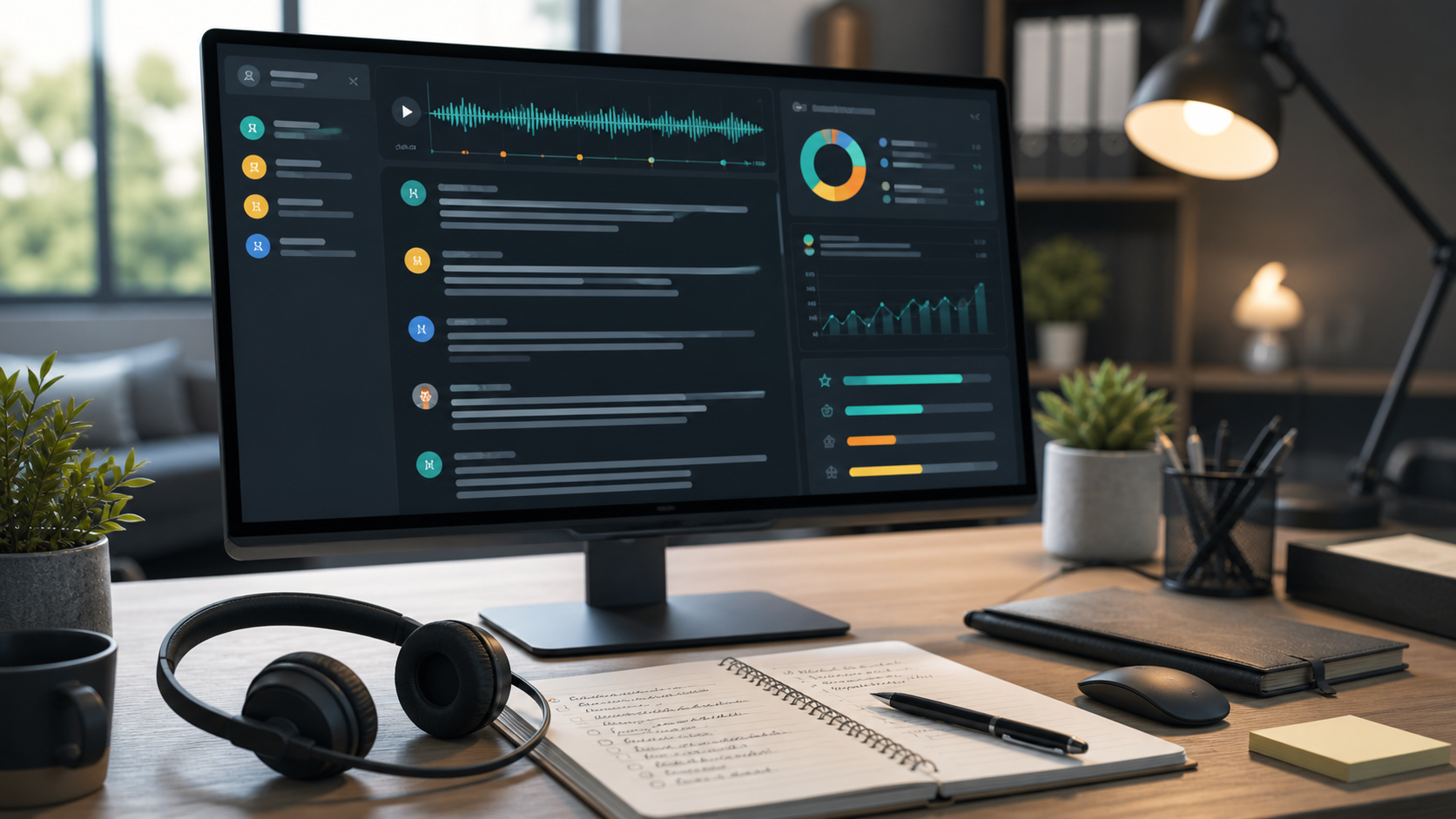
Sales Call Transcription for Coaching, QA, and Faster Follow-Up
Sales teams learn a lot from recorded calls, but those recordings are hard to review at scale if they remain audio only. Managers cannot scan them quickly, enablement teams cannot pull patterns efficiently, and reps often revisit only the calls they already remember. Transcription changes that.
Once a call becomes text, it is easier to review the exact wording of an objection, compare discovery quality across reps, identify handoff gaps, and create follow-up notes that reflect what the buyer actually said. That makes transcripts useful not just for record-keeping, but for coaching and revenue operations.
Why text is better than memory for coaching
Coaching often breaks down when feedback is too general. Saying "ask better discovery questions" is much less useful than pointing to the moment a prospect described a pain point and the rep moved on too quickly. A transcript gives managers a concrete source they can quote and discuss.
This is especially valuable when you want to review:
- objection handling
- qualification consistency
- talk-to-listen balance
- next-step clarity
- repeated language in winning calls
Because the call is in text form, you can move from opinion to evidence much faster.
How transcripts help QA and enablement
Quality review becomes more repeatable when reviewers can scan conversations instead of replaying entire files. A transcript makes it easier to locate compliance-sensitive moments, review whether a pricing question was handled clearly, or confirm that the rep captured a next step before ending the call.
Enablement teams can also use transcripts to identify strong examples for onboarding. Instead of searching through a folder of recordings, they can find specific discussions about competitors, pricing, onboarding concerns, or industry use cases and turn those moments into training material.
Follow-up becomes faster and more accurate
One of the most practical benefits of call transcription is better follow-up. After a conversation, the rep can review the text, extract decisions, capture open questions, and build a summary without relying on rushed notes. This reduces the chance of sending a vague recap or missing a key concern the buyer raised halfway through the call.
If you combine transcription with summary generation and topics extraction, the follow-up process becomes even faster. You spend less time hunting through notes and more time responding with relevance.
What to look for in a sales transcript
A useful sales transcript should preserve speaker separation, timestamps, and readable formatting. Those details matter because a coaching review usually depends on sequence. Did the rep ask about budget before understanding the problem? Did the buyer describe urgency before the demo shifted into features? Timestamps and speaker labels help answer those questions clearly.
It also helps to keep transcripts in a format that is easy to share with managers, enablement, and operations teams. When the transcript is accessible, more of the organization can learn from the same source material.
A practical review workflow
The easiest workflow is to transcribe the recording, skim the summary, then jump into the transcript for exact context. Pull the strongest lines into a coaching note, compare them across calls, and save reusable examples for future onboarding. Over time, this creates a searchable library of how your team handles real buyer conversations.
That library becomes especially valuable when new reps join. Instead of hearing abstract advice, they can study real phrasing from real calls.
Final thought
Sales call transcription helps teams coach more clearly, review quality more efficiently, and follow up with better detail. It turns recorded conversations into a resource the whole team can learn from instead of a backlog nobody has time to revisit.
If you want a cleaner review process, use TranscriptionPlus to convert call recordings into transcripts, summaries, and organized conversation data your team can act on right away.