
Webinar Transcription: Turn One Live Session into Reusable Content
See how webinar transcription helps teams create captions, summaries, articles, show notes, and evergreen marketing assets from a single live session.
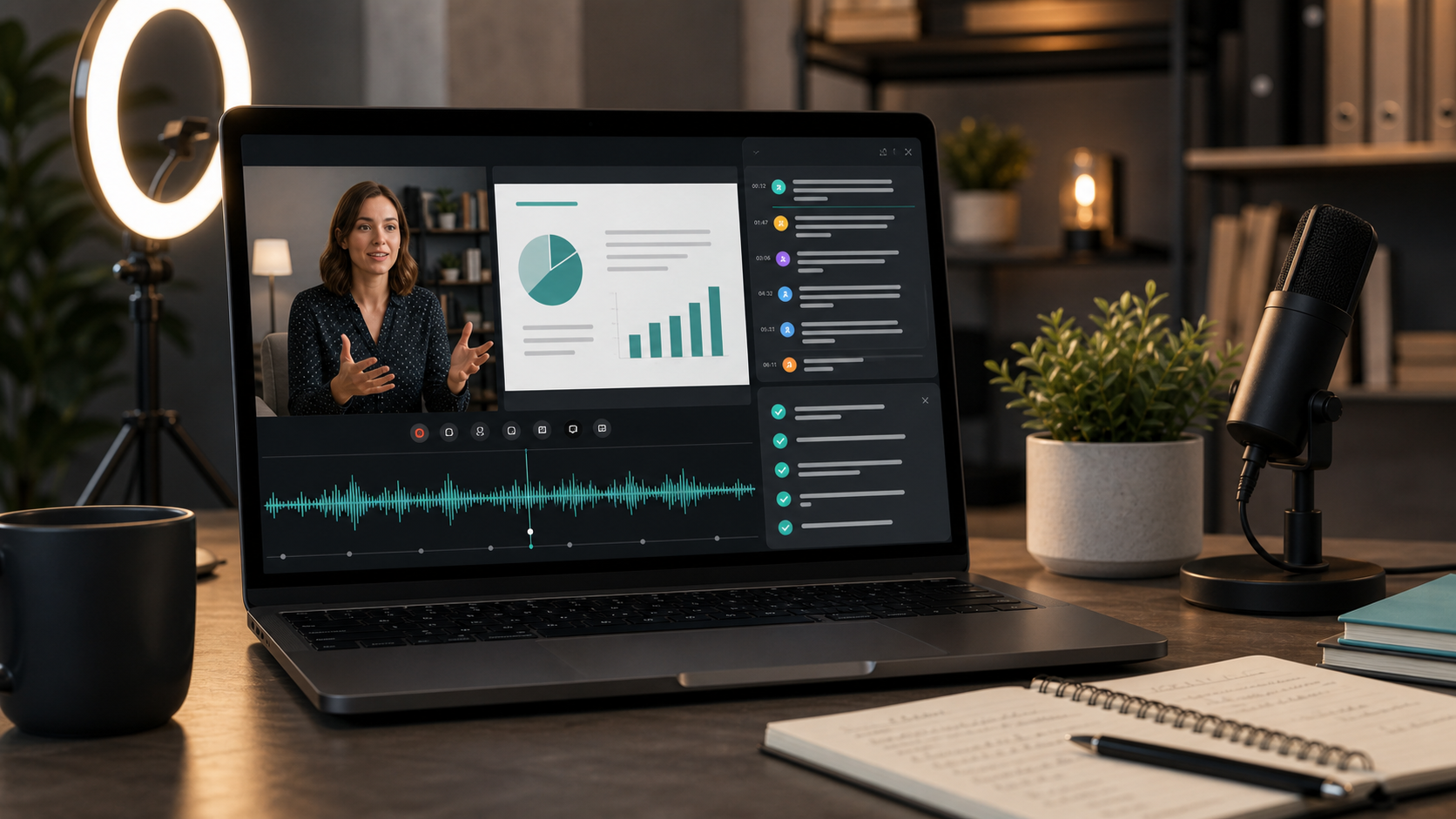
Webinar Transcription: Turn One Live Session into Reusable Content
Webinars take real effort to plan. Teams prepare the topic, build slides, promote the event, host the session, answer questions, and often spend days making sure attendance turns into actual pipeline or customer education. Because the production cost is meaningful, it makes sense to get more value out of every session. Webinar transcription is one of the easiest ways to do that.
When a webinar is transcribed, the spoken content becomes usable far beyond the live event. It can support recap pages, gated resources, follow-up emails, captions, blog posts, FAQ content, training material, and internal knowledge sharing. Instead of treating the webinar as a one-time asset, you turn it into a source file for ongoing content production.
Why webinar transcription matters
Audio and video are strong formats for engagement, but they are weak formats for speed. If a customer or teammate wants one specific explanation from the webinar, they should not need to scrub through an hour-long recording to find it. A transcript makes the session readable, searchable, and easier to repurpose.
That matters for several reasons:
- marketing teams can build articles and landing page copy from the session
- attendees can review answers without replaying the full recording
- non-attendees can scan the substance quickly
- support and success teams can reuse explanations in follow-up content
- search engines can understand more of the session topic through text
If your webinar contains strong educational material, the transcript often becomes one of the most valuable outputs from the session.
Webinar transcripts are useful before and after publishing
After the event, a transcript helps you create recap content with better accuracy. Quotes, definitions, key steps, and audience questions are easier to extract when they already exist as text. But transcripts are also useful before broader distribution because they make review and cleanup much faster. Teams can edit awkward sections, create short summaries, and identify the strongest teaching moments before republishing anything.
For webinars that will later be shared on video platforms or repurposed into clips, transcripts also support subtitles generation and cleaner accessibility workflows.
A practical repurposing workflow
The most effective workflow is simple. Start with the webinar recording, generate a transcript, review the output for names and terminology, then split the content into sections based on the flow of the session. From there, you can create:
- a webinar recap article
- a short summary email for attendees
- FAQ content from the Q and A section
- short clips with captions
- internal notes for sales, support, or customer success
If the session covered several themes, topics extraction makes it easier to break the recording into reusable content units instead of treating it as one long block.
Why webinar transcription supports SEO
Webinar content often includes detailed explanations, step-by-step guidance, and buyer questions that people search for later. A transcript helps surface that material in text form, which improves the chance that your site can rank for relevant questions tied to the event topic.
This is similar to the way podcast transcription can support SEO, but webinars often have a stronger educational or commercial structure, which makes them especially useful for search-driven recap pages and downloadable resources.
What makes a webinar transcript more usable
Clarity matters. A strong transcript should preserve timestamps, keep formatting readable, and make speaker changes easy to follow. If the session includes a host, guest, and audience questions, those distinctions help the final content feel much more organized.
It also helps to move quickly from transcript to summary. The sooner the written version is available, the easier it is for marketing and enablement teams to build useful follow-up content while the topic is still fresh.
Final thought
Webinar transcription helps teams turn a live event into a reusable content engine. It improves accessibility, makes review faster, supports SEO, and creates a much better foundation for recap content and sales follow-up.
If your team already runs webinars, use TranscriptionPlus to turn each session into a transcript, summary, and reusable content source instead of letting the value stop at the recording.